Table of Contents
- – Comprehending the Trauma-Eating Problem Connec...
- – Melissa Guttman
- – Brainspotting: Accessing Injury Through Visual...
- – Accelerated Resolution Treatment: Fast Trauma ...
- – Specialized Trauma Therapy for Narcissistic Ab...
- – Integrating Anxiety Therapy with Eating Proble...
- – Finding Specialized Treatment: What to Look For
- – The Path Onward: Integrated Recovery
Narcissistic Abuse
When standard talk treatment falls short to deal with the deep-seated trauma underlying eating conditions, specialized therapeutic methods can offer innovation recovery. For individuals dealing with binge eating disorder, anxiousness, or the consequences of egotistical abuse, innovative trauma-focused treatments are improving healing outcomes in profound methods.
Comprehending the Trauma-Eating Problem Connection

The partnership in between terrible experiences and disordered consuming patterns runs much deeper than several realize. Research constantly demonstrates that people with binge eating disorder regularly have backgrounds of complicated injury, consisting of emotional abuse, narcissistic connections, and chronic anxiety. The mind's action to unprocessed injury usually shows up through attempts to manage overwhelming emotions via food-- developing cycles that conventional nutritional approaches alone can not break.
Melissa Guttman
Trauma doesn't merely live in our memories. It becomes inscribed in the body and nerves, setting off automated responses that drive uncontrollable behaviors. This neurological reality clarifies why willpower and meal strategies frequently fall short without attending to the underlying trauma style. Effective therapy needs methods that access and reprocess these deeply kept stressful experiences at their neurological resource.
Brainspotting: Accessing Injury Through Visual Handling
Brainspotting represents one of one of the most ingenious breakthroughs in injury treatment over the previous twenty years. This approach acknowledges that where we look affects how we feel-- and therapists educated in brainspotting use this phenomenon to assist clients accessibility and process stressful memories kept in subcortical brain regions.
During brainspotting sessions, specialists help clients identify details eye placements that correlate with distressing activation in the body. By maintaining concentrated interest on these "" brainspots"" while refining tough memories or sensations, clients can launch injury that verbal treatment can not reach. For individuals with binge eating disorder, this strategy proves especially important since eating disorders commonly create as coping mechanisms for traumas that predate language or mindful memory.
The somatic focus of brainspotting makes it especially reliable for trauma survivors whose bodies have found out to utilize food for psychological regulation. Rather than intellectually comprehending injury, customers experience direct resolution of the nerve system dysregulation that drives uncontrollable eating patterns.
Accelerated Resolution Treatment: Fast Trauma Handling
Accelerated Resolution Treatment (ART) offers another powerful device for injury survivors, particularly those worn down by years of handling without progress. This evidence-based method incorporates elements of eye movement treatment with voluntary picture substitute strategies to aid customers settle traumatic memories in remarkably couple of sessions-- typically between one and 5.
What identifies ART from other trauma therapies is its concentrate on altering how terrible memories are kept without needing clients to vocally recount uncomfortable information. For survivors of conceited misuse that may really feel embarassment or self-blame around their experiences, this aspect of ART treatment offers important emotional safety. Customers can recover without re-traumatization through detailed narration.
The therapy functions by utilizing reciprocal eye activities to help with the mind's all-natural handling systems while the client concentrates on traumatic photos or feelings. Via guided visualization techniques, clients then change terrible imagery with more flexible pictures, efficiently reprogramming just how memories are saved and accessed. This technique has revealed particular promise for people whose eating problems created as responses to relationship injury or emotional misuse.
Specialized Trauma Therapy for Narcissistic Abuse Recovery
Conceited abuse develops an one-of-a-kind kind of complicated injury that conventional therapy strategies usually have a hard time to attend to properly. The gaslighting, manipulation, and systematic erosion of self-worth fundamental in egotistical relationships call for customized healing understanding. Several survivors develop eating conditions as they attempt to restore control in relationships where their reality has actually been constantly denied or distorted.
Trauma-informed specialists who specialize in conceited abuse recovery understand that recovery requires even more than processing particular cases. Survivors require assistance restoring their sense of reality, reconnecting with their intuition, and developing healthy and balanced borders-- all while addressing the physical injury actions that might show up as disordered consuming, persistent anxiousness, or hypervigilance.
Effective treatment for egotistical abuse survivors integrates psychoeducation about adjustment techniques with somatic techniques that help clients reconnect with their body's knowledge. This mix verifies crucial because egotistical abuse specifically targets targets' rely on their very own understandings and sensations-- the very resources required for intuitive eating and psychological policy.
Integrating Anxiety Therapy with Eating Problem Therapy
Anxiety and consuming disorders exist in a bidirectional partnership, each worsening the other in self-reinforcing cycles. Binge eating episodes frequently follow periods of intense anxiety, as food provides temporary relief from overwhelming nerve system activation. The consequences of bingeing normally activates even more anxiousness, embarassment, and physical stress and anxiety-- bolstering the cycle.
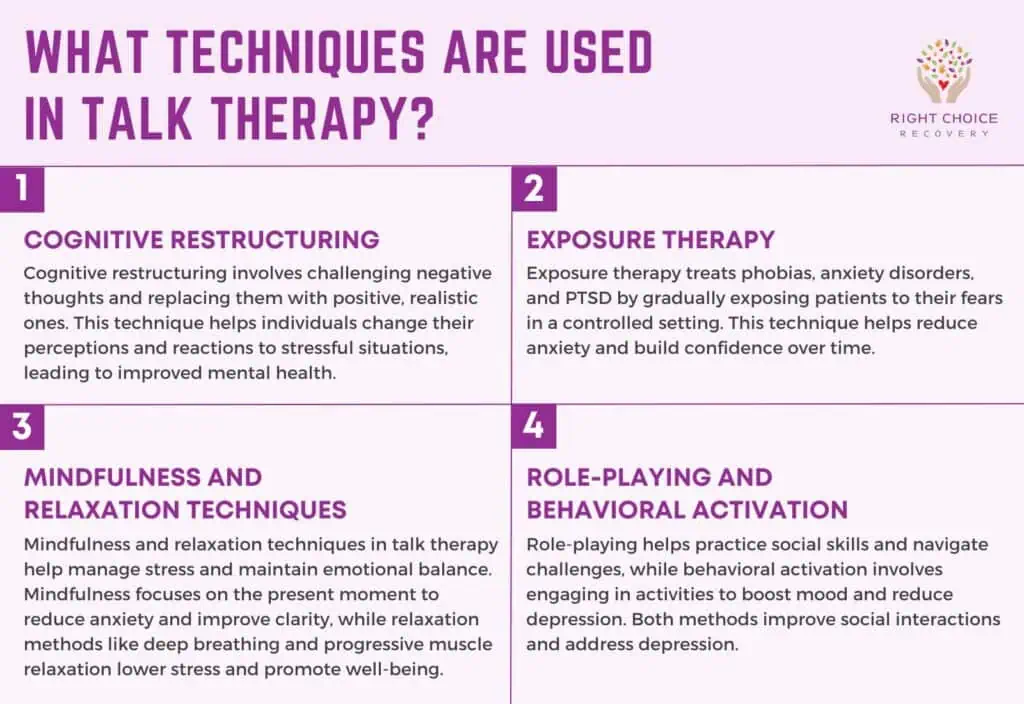
Comprehensive anxiety therapy within injury therapy addresses these interconnected patterns at multiple levels. Cognitive techniques aid clients recognize and test anxiety-driven thought patterns, while somatic methods instruct nerves regulation abilities that decrease the need for food-based coping. Exposure-based treatments progressively boost customers' ability to endure uneasy emotions without transforming to binge consuming.
The most reliable anxiety therapy for eating disorder recovery identifies that attempting to eliminate anxiety completely is both difficult and detrimental. Instead, therapy concentrates on establishing a much healthier relationship with stress and anxiety-- discovering to experience it as information instead of emergency, and building self-confidence in one's ability to ride psychological waves without numbing through food.
Finding Specialized Treatment: What to Look For
Choosing a therapist or treatment facility for injury and eating disorder recuperation requires cautious consideration. One of the most reliable suppliers supply a number of crucial elements:
- Trauma-informed care that acknowledges eating disorders as flexible feedbacks to frustrating experiences instead of plain behavioral issues
- Specialized training in evidence-based trauma processing methods like brainspotting or ART therapy
- Comprehending of complex injury presentations including narcissistic abuse and developing trauma
- Integration of worried system policy strategies along with cognitive and behavioral methods
- Acknowledgment that healing takes place in partnership, needing healing attunement and safety and security
- Versatility to adjust treatment pace and methods to specific nerves capability
Providers like Ebb and Flow Treatment in Seattle exemplify this thorough technique, providing specialized trauma treatment that attends to the intricate partnerships between past experiences, present eating patterns, and total psychological wellness. Their emphasis on evidence-based techniques incorporated with deep understanding of trauma's physiological effects produces problems for authentic transformation as opposed to symptom monitoring alone.
Person-Centered TherapyThe Path Onward: Integrated Recovery
Recovery from trauma-related eating conditions requires patience, specialized support, and approaches that honor the extensive means trauma forms both body and mind. While the journey demands guts and dedication, the assimilation of ingenious trauma therapies uses wish for recovery that resolves source as opposed to surface actions.
For people ready to move past the limitations of conventional methods, seeking therapists educated in brainspotting, ART treatment, and egotistical abuse recuperation can open brand-new pathways to flexibility from both traumatic pasts and disordered consuming patterns. The brain's impressive capacity for healing, when sustained by proper therapeutic treatment, makes full recuperation not simply possible yet significantly possible.

Table of Contents
- – Comprehending the Trauma-Eating Problem Connec...
- – Melissa Guttman
- – Brainspotting: Accessing Injury Through Visual...
- – Accelerated Resolution Treatment: Fast Trauma ...
- – Specialized Trauma Therapy for Narcissistic Ab...
- – Integrating Anxiety Therapy with Eating Proble...
- – Finding Specialized Treatment: What to Look For
- – The Path Onward: Integrated Recovery
Latest Posts
Long-Term Management through Ketamine therapy
Advanced Approaches to Unique Challenges
Competitive Pressure Optimization
Navigation
Latest Posts
Long-Term Management through Ketamine therapy
Advanced Approaches to Unique Challenges
Competitive Pressure Optimization